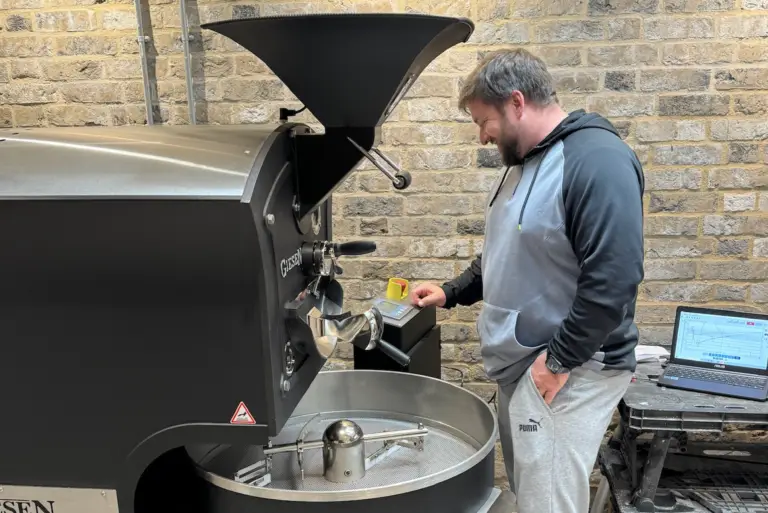
Regular maintenance is crucial for keeping your coffee roaster running smoothly, ensuring consistent results, and extending the life of your machine. To help you stay on top of roaster care, here’s a checklist that covers essential cleaning and maintenance tasks, along with the difference between routine cleaning and professional servicing.
1. Weekly Cleaning Tasks
To maintain peak performance and reduce the risk of build-up or malfunction, make time each week for a thorough clean. Here’s a quick summary based on Giesen’s W6 and W15 series cleaning guide:
• Hopper Cleaning: Remove the hopper carefully (you may need assistance for this). Wipe it down with a soft cloth and ensure it’s free from residue before re-installing.
• Roast Fan Cleaning: Detach the roast fan by removing the bolts, and carefully clean the fan blades to prevent debris from accumulating, which can affect airflow and cause roasting inconsistencies.
• Cyclone Tube Cleaning: Clean the internal cyclone tubing, which connects the cooling sieve to the fan, using a flexible brush to reach through the bends. This step is important for removing dirt and oils that build up and could hinder performance.
• Cooling Tray Cleaning: Remove the cooling tray, empty it, and clean thoroughly. Access the area beneath by removing doors to reach and clean the internal cyclone, which helps with airflow efficiency and reduces risk of fire.
• Burner Check and Clean: Periodically, check the burner. For gas roasters, make sure the gas pipes are safely shut off before removing the burner to clean it with compressed air, ensuring a clean flame and efficient roasting.
Sticking to this weekly cleaning routine not only preserves your roaster’s performance but also ensures a safer roasting environment by removing potential fire hazards.
2. Cleaning vs. Servicing: What’s the Difference?
While routine cleaning can be managed in-house, professional servicing is essential for the long-term health of your roaster. Here’s how the two differ:
• Cleaning: Regular cleaning involves tasks that prevent everyday build-up, such as removing dust, oils, and chaff, which could otherwise impact airflow, roast quality, or safety. This should be done weekly and doesn’t require specialist knowledge, though it does need some basic tools and attention to detail.
• Servicing: A professional service goes beyond basic cleaning. During a service, a qualified technician inspects and maintains deeper mechanical and electrical components, addressing issues that require professional expertise, such as recalibrating parts, checking gas or electrical connections, and assessing wear and tear on critical components. Servicing is recommended every 400-800 roasting hours, depending on usage, and ensures that any small issues are caught early, avoiding potential breakdowns.
3. Scheduled Downtime for Maintenance
Set aside at least one day per week to perform your regular cleaning tasks. For full servicing, plan for around 4-6 hours of downtime to allow technicians the time they need to perform an in-depth assessment and service, ensuring minimal impact on your production schedule.
Keeping your coffee roaster well-maintained through consistent cleaning and regular servicing will ensure it runs smoothly, produces high-quality roasts, and lasts longer. Discover more about our coffee roaster services or get in touch for more information on how to keep your roaster in peak condition.