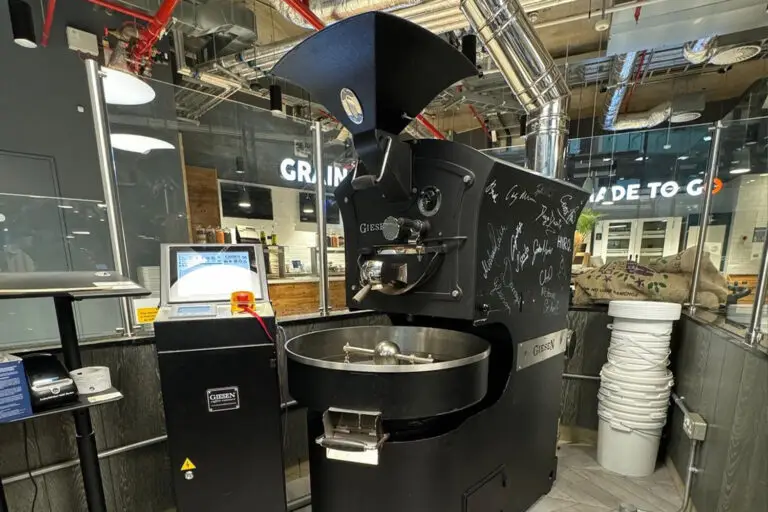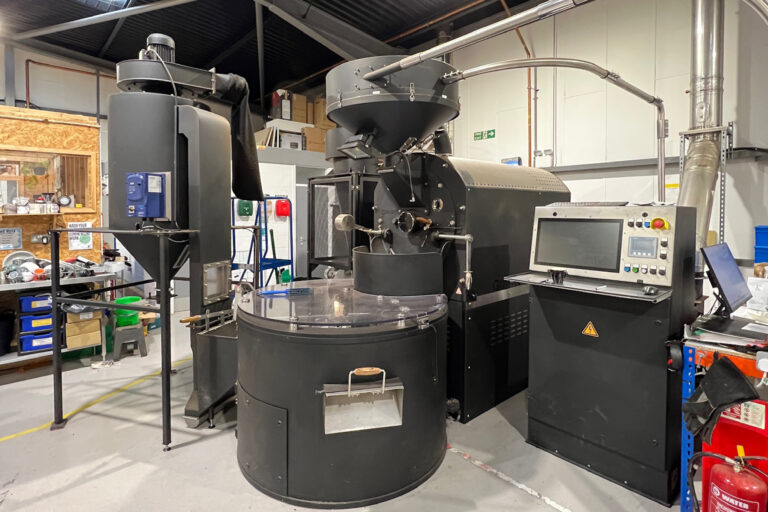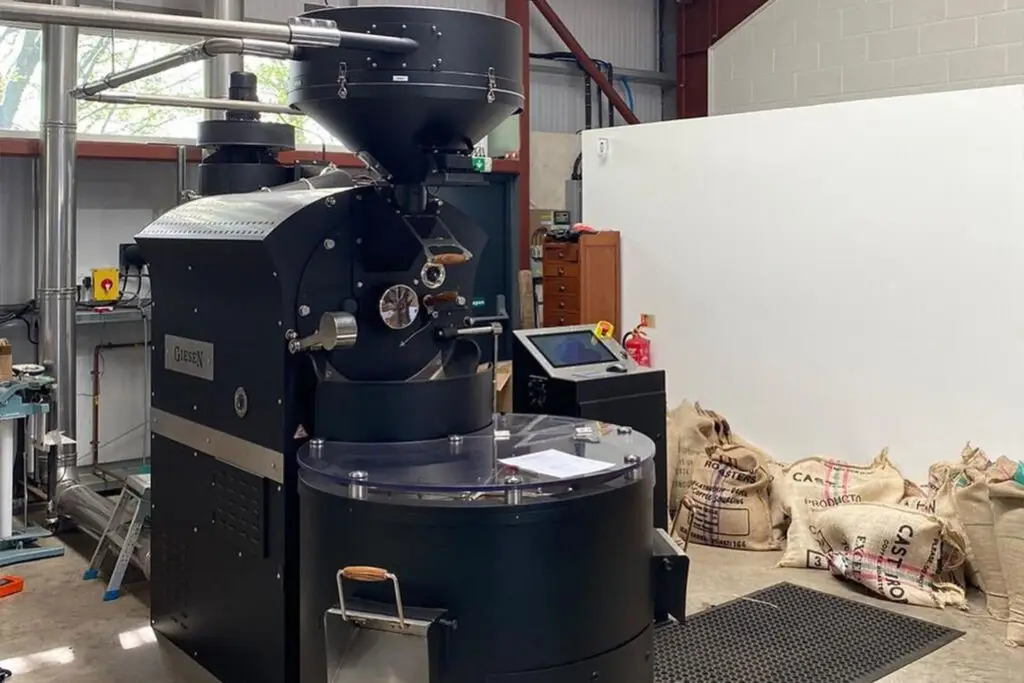
Refurbishing a pre-owned coffee roaster is a cost-effective way to extend the life of your equipment and ensure it continues to produce high-quality coffee. But what exactly does the refurbishment process involve?
Initial Assessment
The refurbishment process begins with a thorough assessment of the coffee roaster. Coffee Technicians will inspect the machine for any wear and tear, identifying components that need repair or replacement. This assessment is crucial to determine the scope of the refurbishment and ensure that the machine is safe to operate.
Disassembly and Cleaning
Once the assessment is complete, the roaster is disassembled. Each part is carefully cleaned to remove built-up residue and debris that can affect the roasting process. Cleaning is a key step in refurbishment, as it restores the machine’s components to their original condition and ensures efficient operation.
Repair and Replacement of Parts
During refurbishment, worn or damaged parts are either repaired or replaced. Common replacements include bearings, seals, and electrical components. In some cases, upgrading certain parts can enhance the performance of the roaster, bringing it closer to modern standards.
Reassembly and Testing
After all necessary repairs and replacements are made, the roaster is reassembled. Technicians then conduct a series of tests to ensure the machine operates correctly and safely. These tests include running the roaster at different temperatures and settings to check for consistency and performance.
Final Inspection and Quality Assurance
The final step in the refurbishment process is a detailed inspection to ensure the machine meets quality standards. Once approved, the roaster is ready for use, with many more years of service ahead.
Refurbishing a used coffee roaster is a smart investment for businesses looking to maintain high standards while managing costs. By breathing new life into an older machine, you can enjoy reliable performance without the expense of buying new.