Starting an organic coffee roastery can be an exciting and rewarding venture, but there are several key factors to consider to ensure your business is both successful and sustainable.
From sourcing organic beans to meeting certification standards, each decision will impact the quality of your product and the integrity of your brand. At Coffee Roaster Services, we’ve helped many coffee roasteries set up, and we understand what it takes to launch an organic operation. Here are the main things to keep in mind when starting your organic coffee roastery.
1. Sourcing Certified Organic Beans
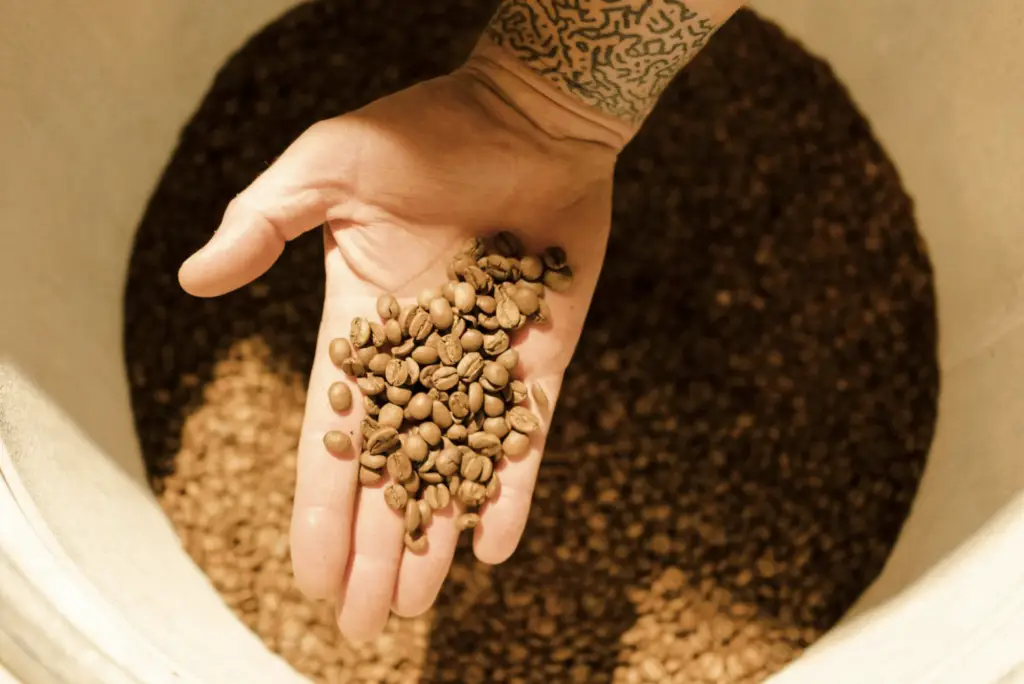
The foundation of your organic coffee roastery is, of course, the beans. You’ll need to find suppliers who can provide certified organic green coffee beans that meet the standards set by your country’s organic certification body. In the UK, that means ensuring your beans are certified by the Soil Association or another approved body under EU organic regulations. These beans must be grown without synthetic pesticides or fertilisers, and farmers must use sustainable farming practices.
It’s important to build a strong relationship with your suppliers, ensuring transparency in their farming practices and verifying that the beans meet your quality standards. Many roasters also prefer to work directly with farmers to ensure ethical and sustainable sourcing, which can further enhance your brand’s appeal.
2. Certification and Compliance
Operating as an organic coffee roastery means more than just sourcing organic beans—you’ll need to meet strict certification standards to market your product as organic. In the UK, this involves getting certification from an organic body like the Soil Association, which ensures your entire process—from roasting to packaging—meets organic guidelines. This certification often comes with annual inspections and requires a commitment to maintaining organic integrity throughout your operation.
At Coffee Roaster Services, we can guide you through the equipment setup and workflow that will ensure your roastery complies with these organic certification requirements.
3. Equipment and Workflow
When it comes to roasting organic coffee, your equipment and processes need to maintain the purity of the product. This means keeping your roasting equipment clean and free from any contamination by non-organic materials. You may also need to separate batches and clean your roaster between roasting organic and non-organic beans if you plan on offering both.
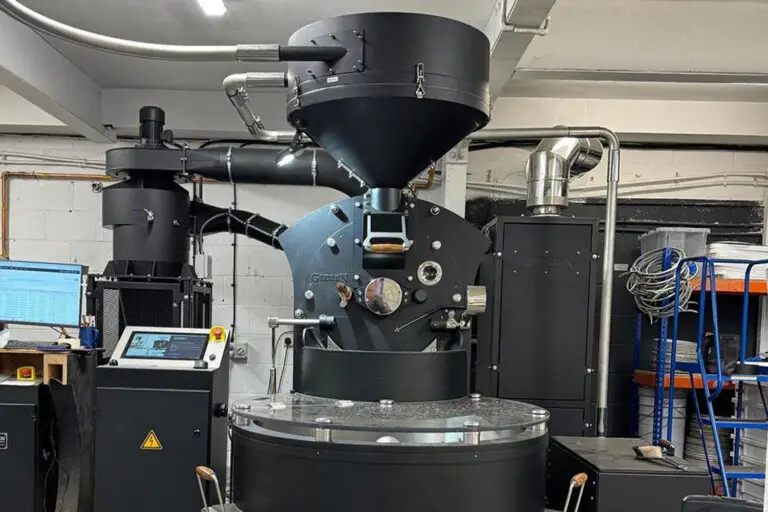
We offer Giesen coffee roasters, known for their precision and ease of use, which can be tailored to your organic roastery’s needs. Additionally, we provide guidance on setting up a smooth, contamination-free workflow, ensuring your roastery remains compliant with organic standards.
4. Packaging and Branding
Packaging plays a huge role in the success of your organic coffee brand. Not only should your packaging be eco-friendly and in line with organic principles (recyclable, compostable, or biodegradable), but it should also clearly communicate your organic certification to consumers. Organic coffee is often associated with higher quality and ethical practices, so your packaging should reflect the premium nature of the product.
Think about your branding as a whole—highlighting your commitment to sustainability, fair trade practices, and organic production. These are qualities that many coffee drinkers value, and clear communication of these values will help your roastery stand out in a crowded market.
5. Pricing and Marketing Organic Coffee
Organic coffee is typically more expensive to produce, given the higher cost of organic farming and certification. Therefore, you’ll need to price your coffee accordingly. However, consumers who seek out organic products are often willing to pay more for coffee that aligns with their values—whether it’s supporting environmentally friendly practices or ensuring their coffee is free from chemicals.
Marketing your coffee as organic can be a strong selling point, but it’s essential to emphasise more than just the certification. Focus on telling the story of your coffee—where it’s sourced, how it’s roasted, and your commitment to sustainability. Building trust and authenticity around your brand will help attract and retain customers.
Starting an organic coffee roastery involves more than just choosing organic beans—it requires careful attention to sourcing, certification, equipment, and branding. By considering these factors, you can ensure your roastery meets organic standards and appeals to a growing audience of eco-conscious coffee drinkers.
At Coffee Roaster Services, we’re here to support you every step of the way, from selecting the right Giesen roaster to helping you set up an organic-compliant operation. Get in touch with us today to learn more about starting your organic coffee roastery!