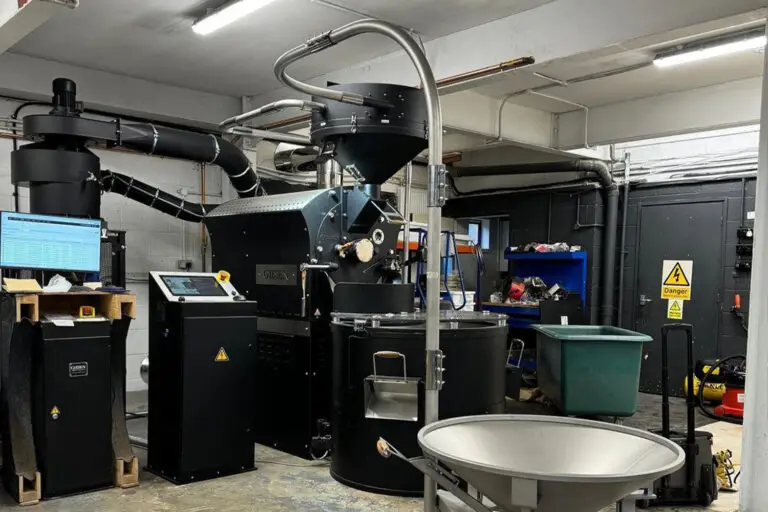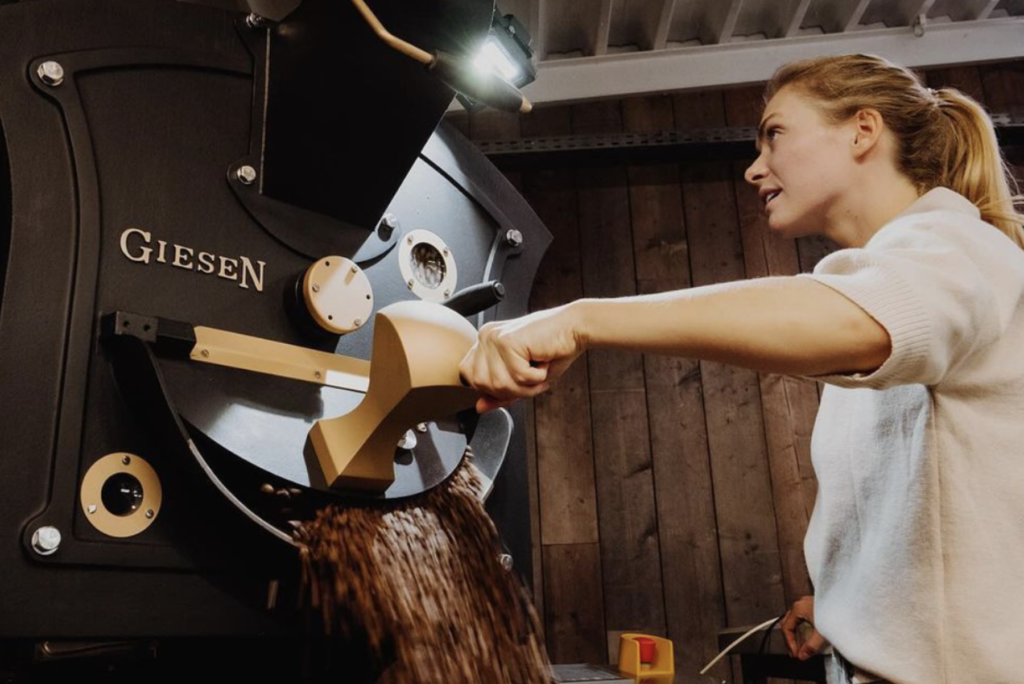
Roasting coffee is both an art and a science.
It’s the process that transforms green coffee beans into the rich, aromatic beans we all love. But if you’re new to roasting, the key to success lies in developing the right roast profile—a combination of time, temperature, and airflow that brings out the best flavours from each bean. At Coffee Roaster Services, we’ve helped countless roasteries refine their craft with the best equipment and advice. Here are some tips for developing your first roast profile.
1. Understanding the Coffee Bean
Every coffee bean is different. The region it’s grown in, its variety, and the way it’s processed all influence how it should be roasted. Start by researching your beans—are they from Ethiopia, Colombia, or Brazil? Are they washed or naturally processed? Understanding the origin and processing method will give you clues about the flavours the beans naturally possess.
2. Master the Phases of Roasting
Roasting happens in three key stages: drying, Maillard reaction, and development (or caramelisation).
- Drying: The first phase is about driving moisture out of the bean. This sets the stage for even roasting.
- Maillard Reaction: As the beans heat up, they start to brown. This is where much of the flavour is developed, so controlling the temperature is crucial.
- Development: The final phase happens after the first “crack” when the beans begin to expand and release gases. This is where you decide on your roast level—light, medium, or dark.
3. Experiment with Time and Temperature
To develop your roast profile, experiment with different combinations of time and temperature. Higher temperatures will bring the roast along faster, resulting in more intense flavours, while slower, lower-temperature roasting can bring out more delicate notes. Take careful notes of each roast cycle to see how small adjustments impact the final flavour.
4. Taste and Adjust
Tasting (or cupping) is the only way to know if your roast profile is working. After each roast, let the beans rest for a day or two, then brew a cup and taste. Pay attention to the balance of acidity, sweetness, bitterness, and body. If your coffee tastes too acidic, you might need to roast for a longer time or at a slightly higher temperature. If it’s too flat, shorten the roast or lower the heat.
5. Keep Records and Refine
Roasting is a continual process of learning and refining. Make detailed notes about each roast—what beans you used, the temperature curve, the time at each stage, and how the final cup tastes. Over time, you’ll be able to fine-tune your roast profile to consistently produce the flavours you’re looking for.
Developing your first roast profile takes time and experimentation, but with an understanding of the beans and a careful approach to each roast phase, you’ll soon be on your way to creating the perfect coffee. At Coffee Roaster Services, we’re here to support you with the best equipment and expert guidance, so you can focus on crafting the ideal roast.
If you’re ready to take your coffee roasting to the next level, get in touch with us today!