
5 November 2024 · 4 min read
What’s the Lifespan of a Used Coffee Roaster? How to Judge Its Durability
Commercial coffee roasters are built for durability, with modular designs that allow easy part replacement. Discover how to gauge a used roaster's lifespan and make a smart investment for your business.
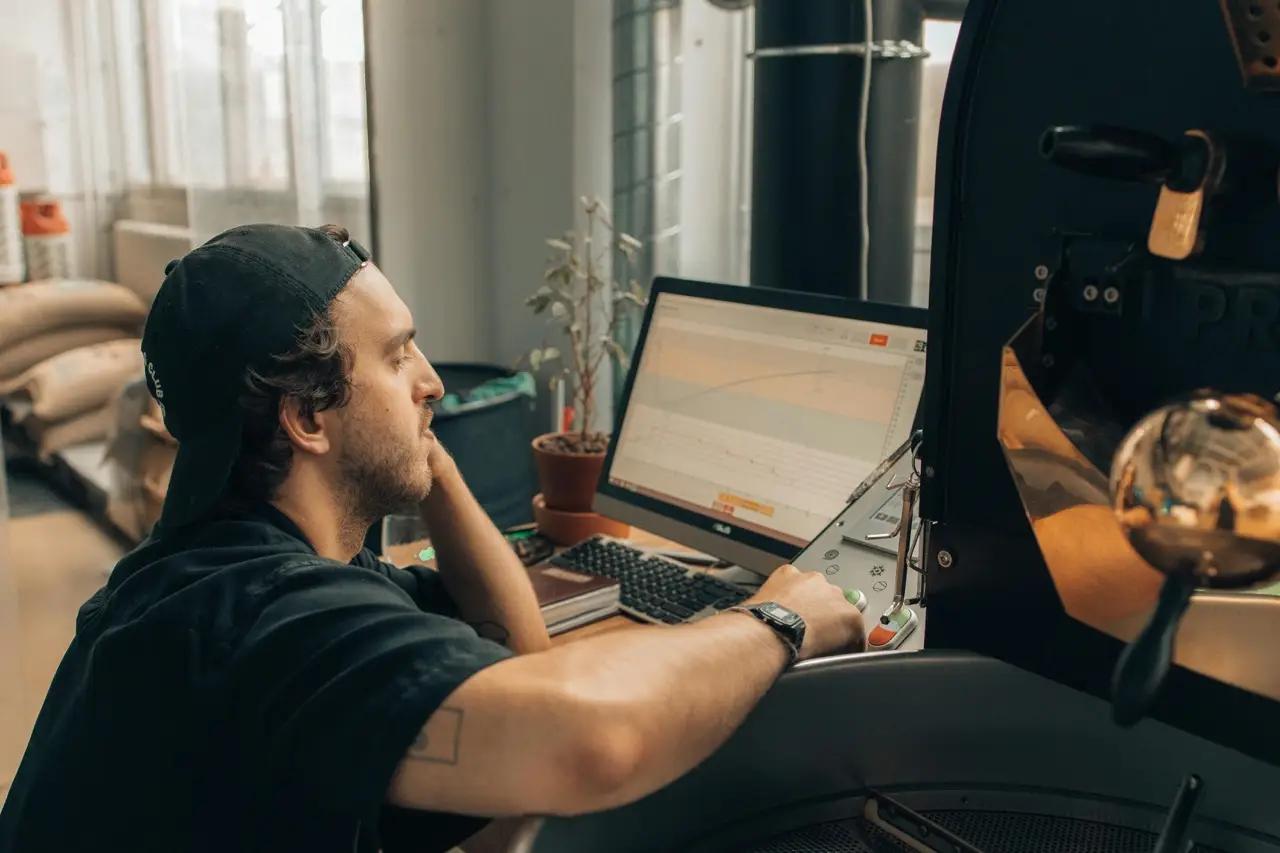
When considering a used coffee roaster for your business, one of the key questions is how long it will last and how to gauge its durability. The good news is that commercial coffee roasters are built to be long-lasting and are often modular in design, meaning worn or outdated parts can be replaced, extending their lifespan significantly. Here’s what you need to know about the longevity of a used coffee roaster and how to judge whether it will stand the test of time.
Built to Last: The Durability of Coffee Roasters
Coffee roasters are engineered to handle high heat, heavy use, and constant motion. They’re designed for durability, with robust materials like stainless steel and cast iron, which can withstand years of roasting cycles. Many commercial roasters have been running smoothly in cafes and roasteries for decades, proving that these machines can handle the demands of a busy roasting schedule without quickly wearing out.
In fact, with regular maintenance, a used roaster can remain in excellent working condition for many years, allowing you to achieve consistent roast quality without investing in a brand-new model.
The Modular Advantage: Easy to Replace Parts
One of the biggest advantages of coffee roasters is their modular design. This means that components such as burners, motors, drum bearings, and control panels can often be replaced independently as they wear out or become outdated. Rather than having to replace the entire machine, you can simply swap out parts that have reached the end of their lifespan, which can be a more economical approach to keeping your roaster in top shape.
For instance:
• Drum Bearings: Drum bearings can wear down over time due to the constant rotation and heat. Replacing them can help prevent unnecessary wear on other parts and keep your roaster running smoothly.
• Motors: Roaster motors are critical for moving the drum and airflow, and these can typically be replaced as needed.
• Burners: Since burners handle the direct heat source for roasting, they will wear out eventually. Thankfully, they’re usually replaceable, so you don’t have to worry about the lifespan of your roaster being cut short by a single part.
This modularity makes coffee roasters an excellent investment, even when purchased used, because it means you can extend the lifespan of the machine far beyond what’s possible with fully integrated designs.
Electronics: The Biggest Differentiator in Older Models
The primary advancements in coffee roaster technology over recent years have been in the electronics and control systems. Many new models come with advanced software that allows for precise roast profiling, automatic control settings, and data tracking. Used coffee roasters may not have the latest electronics, which can make them less advanced in terms of automation and roast consistency features.
However, lack of the latest technology doesn’t mean a used roaster isn’t functional or valuable. Many experienced roasters appreciate the manual controls of older models, as they allow for a more hands-on approach to roast development. Additionally, aftermarket upgrades may be available to add modern electronics to older roasters, letting you enjoy the best of both worlds—durability and some technological enhancement.
Signs of a Long-Lasting Used Coffee Roaster
When evaluating the potential lifespan of a used coffee roaster, here are a few factors to consider:
• Maintenance History: Machines that have been regularly maintained are likely to last longer. Look for a roaster with a clear maintenance record to ensure you’re getting a well-cared-for machine.
• Manufacturer Reputation: Certain brands are known for their build quality and durability. A used machine from a reputable manufacturer is generally a safer bet than a lesser-known brand.
• Availability of Spare Parts: Check if spare parts are readily available for the model you’re considering. If parts are easy to find, the machine will be easier to maintain over time.
• Condition of Key Components: If possible, inspect the drum, bearings, motors, and burner. These are the core components of a roaster, and their condition will give you a good sense of how much life the machine has left.
• Electronic System Condition: If the roaster has any electronic controls, check their functionality. Even if the electronics aren’t the latest model, they should still operate reliably.
Interested in a used coffee roaster? Contact Coffee Roaster Services to discuss options that fit your needs. We can guide you in finding a durable machine and help with ongoing maintenance to keep it running at its best.
Service & Support
Need expert help with your roaster?
Our factory-trained engineers service, repair and install commercial coffee roasters across the UK.
Keep reading
Related articles
 Maintenance & Servicing
Preparing Your Site for Coffee Roaster Service
What our engineers need on the day — access, clearance, utilities and paperwork — so your service visit finishes on time and on spec.
2 June 2026 · 9 min read
 Maintenance & Servicing
Signs Your Coffee Roaster Needs Immediate Repair
The difference between a noise that can wait for your next scheduled service and one that means stop roasting today.
22 March 2026 · 6 min read